Radically Rethinking Meaning & Purpose
For much of human history, meaning and purpose were treated as things we inherited. Religion, family, community, tradition, and social role told us who we were, what mattered, and what we were supposed to do with our lives. For many people, those inherited structures no longer hold. We are increasingly obliged to answer the questions of meaning and purpose for ourselves.
That changes everything.
I’ve spent much of my life thinking about what meaning actually is and how human beings can create lives that feel meaningful without pretending that the universe has handed them a script. My central proposition is both challenging and liberating: meaning is not something we find. It is something we make—and a feeling that we can learn to invite.
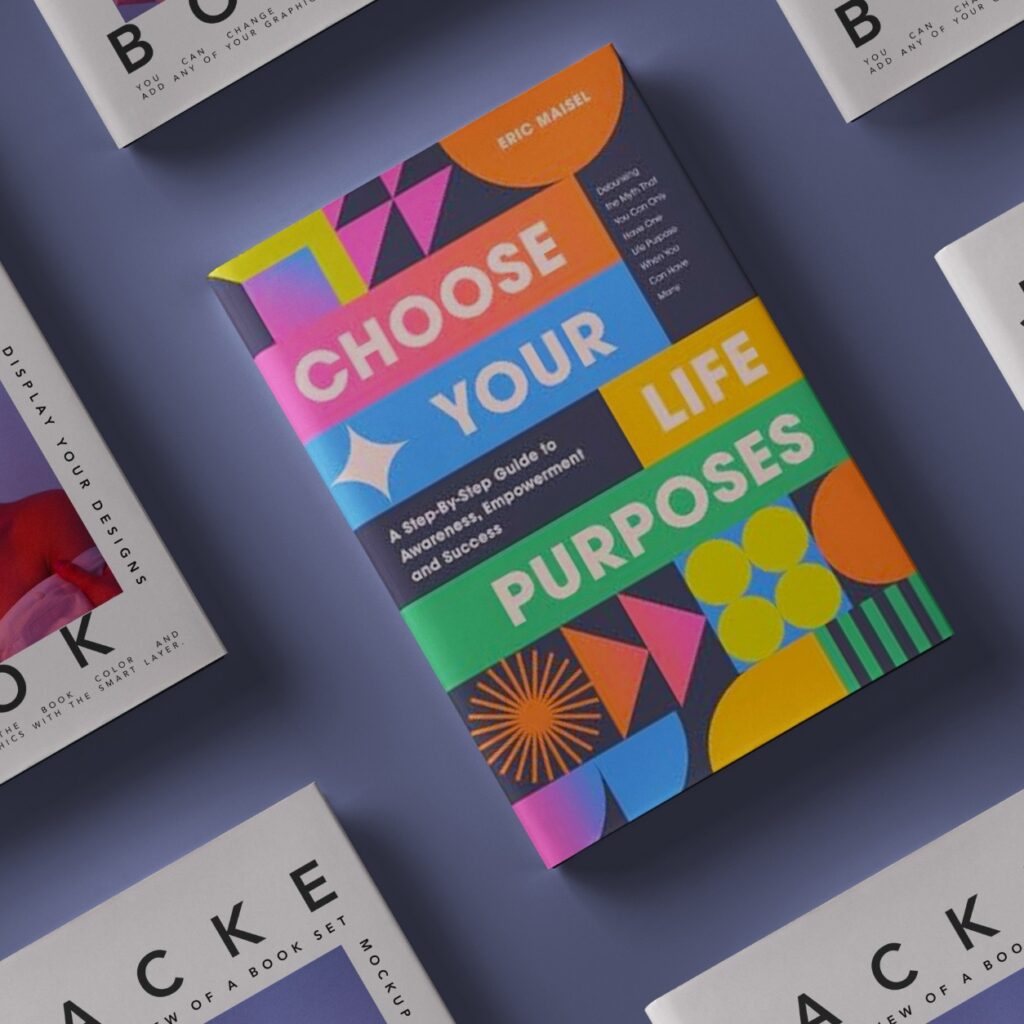
Purpose requires a similar rethinking. The familiar advice to “find your life purpose” suggests that somewhere there is one correct answer waiting to be discovered. I think that idea causes unnecessary anxiety. We do better to identify, choose, and pursue multiple life purposes—life purposes that can change as we change.

This puts considerable responsibility in our hands. We must decide what matters, where to invest ourselves, what to care about, and who we intend to become. In an increasingly unsettled world, we may even need to reinvent those answers repeatedly. This is the existential challenge of contemporary life—but also its opportunity. We are no longer searching for meaning and purpose. We are active participants in their creation.
60 Ways to Invite Meaning In
Meaning is not hidden somewhere waiting to be found. It is a feeling—a particular experience of psychological significance—that comes and goes. The important question, therefore, is not “What is the meaning of life?” but “What helps life feel meaningful to me?”
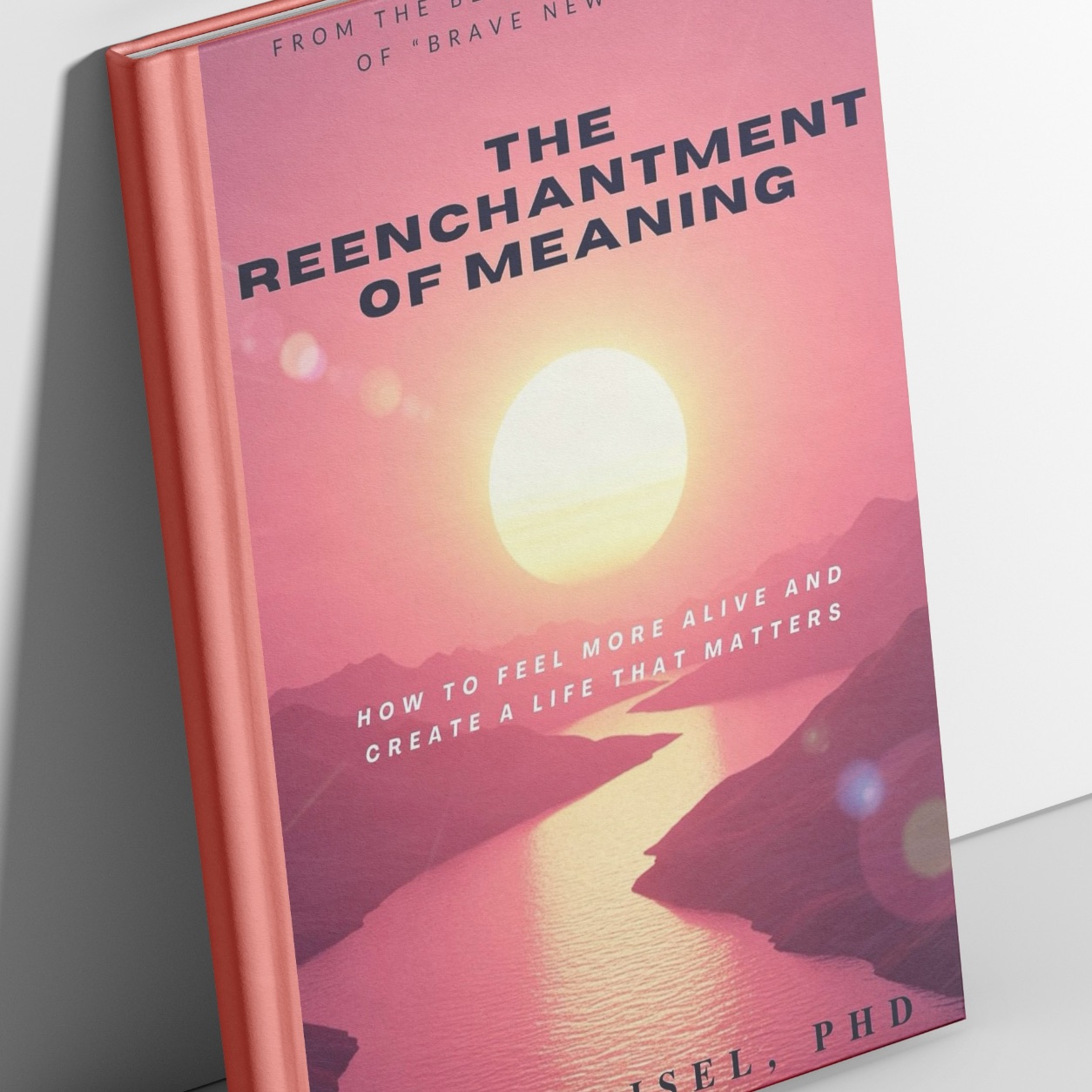
There are many answers. Creativity can invite meaning. As can love, service, beauty, courage, curiosity, nature, rebellion, friendship, accomplishment, solitude, play, advocacy, wonder, and dozens of other pathways.
In The Reenchantment of Meaning, I describe sixty of these pathways. The goal is not to choose one, but to learn how to actively invite meaning back into your life. I invite you to dive deeper into these ideas. And if you’d like to become a next-generation helper who makes use of these ideas, please explore the Human Experience Specialist Certification Course on offer in collaboration with Noble Manhattan Coaching.
Why We’re Obliged to Reinvent Ourselves Daily
More and more of us are living without the stable identities and predetermined paths that once organized a human life. Careers change. Relationships change. Communities dissolve. Old certainties disappear. Even our sense of who we are may refuse to remain fixed.
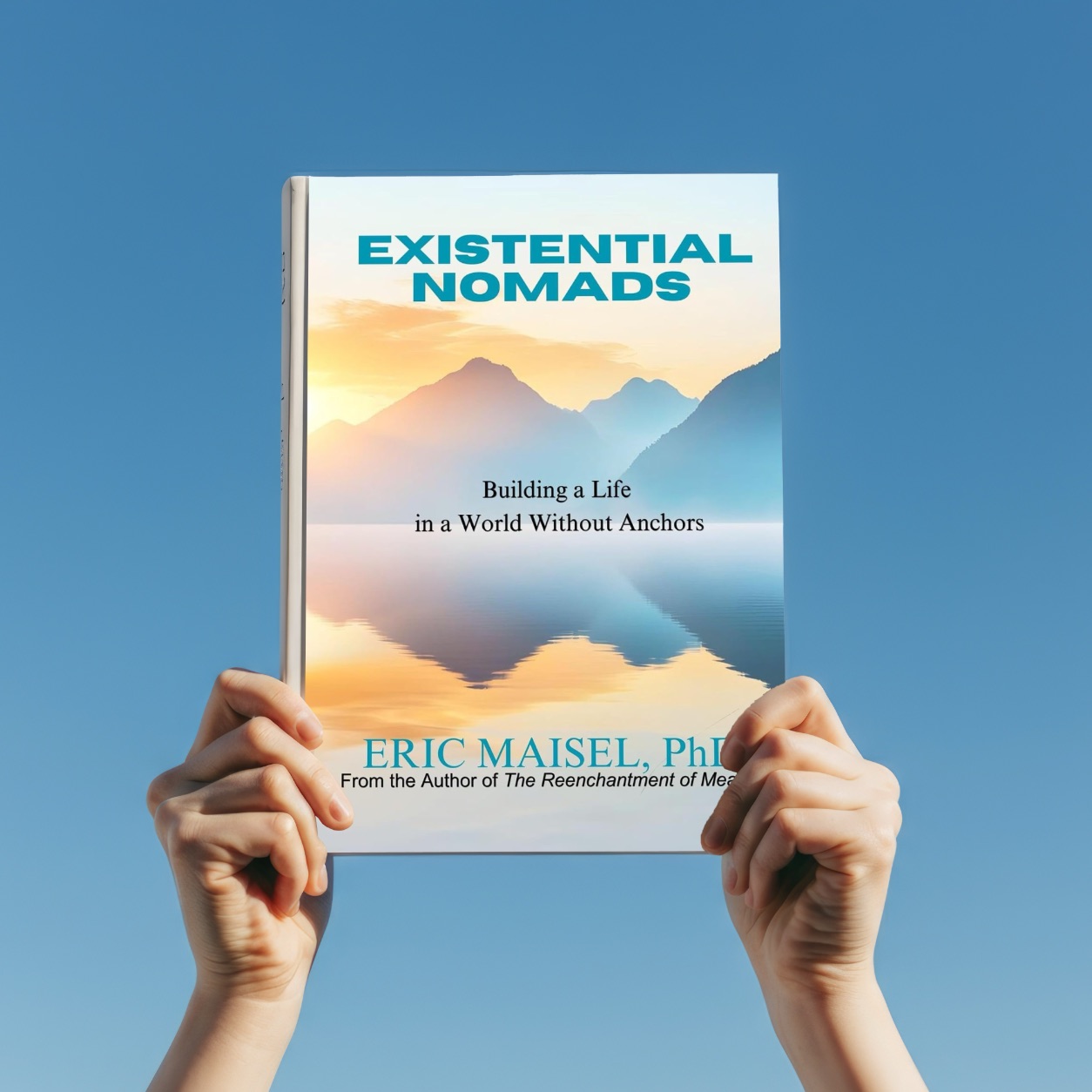
I call people living in this condition existential nomads. The existential nomad understands—or discovers unwillingly—that identity is not settled once and for all. We must continually decide who we will be, what we will value, and where we will invest meaning.
Existential Nomads explores both the difficulty and the freedom of living when there is no permanent map—and when becoming yourself is daily work. Take a look at Existential Nomads—it may provide language for exactly what you are experiencing.
What Is Existential Wellness?
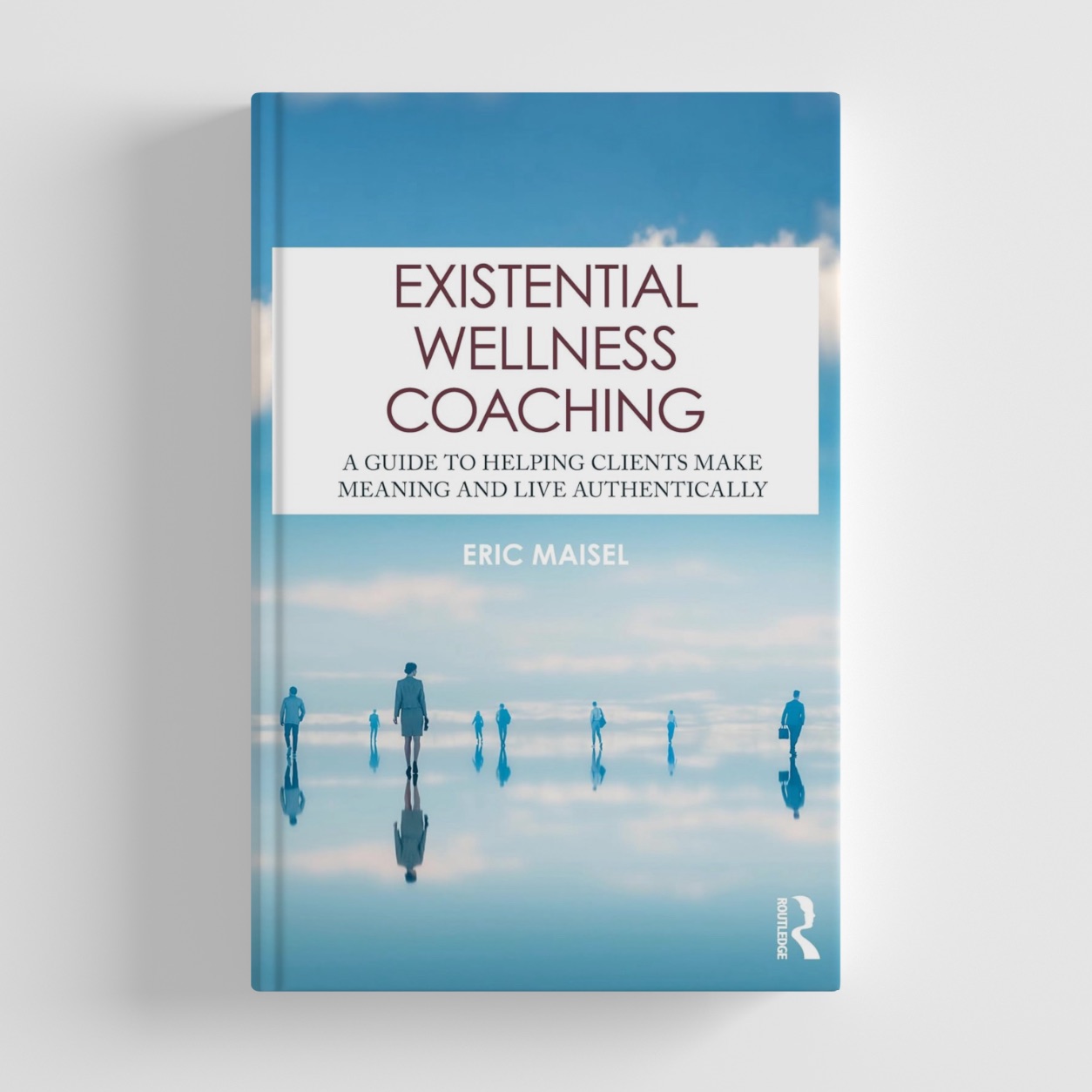
Existential wellness is not the absence of anxiety, sadness, uncertainty, or difficulty. It is the capacity to live thoughtfully and effectively while confronting the realities of being human: freedom, responsibility, mortality, identity, choice, meaning, and the need to decide how we will live.
We become existentially healthier when we understand our own values, make conscious choices, create rather than merely inherit meaning, and take responsibility for our purposes and direction.
Existential Wellness Coaching develops this approach as both a way of living and a way of helping others—one grounded not in diagnosis, but in meaning, agency, choice, and human possibility. Come explore its ideas.
From Purpose to Purposes
We are routinely told that we must “find our life purpose,” as if each of us had been assigned one grand mission that we are supposed to discover. I think this is both mistaken and burdensome.
Human beings have life purposes, plural. We choose them. We can pursue several simultaneously, emphasize different ones at different stages of life, relinquish purposes that no longer serve us, and choose new ones as circumstances change.
This shift—from purpose to purposes—returns agency to us. Choose Your Life Purposes offers a practical philosophy for deciding what matters to you and turning those choices into organizing principles for everyday life. If this idea intrigues you, I invite you to explore it further. It is also a central theme of the new Human Experience Specialist Certification Course, now on offer.