
Latest Books
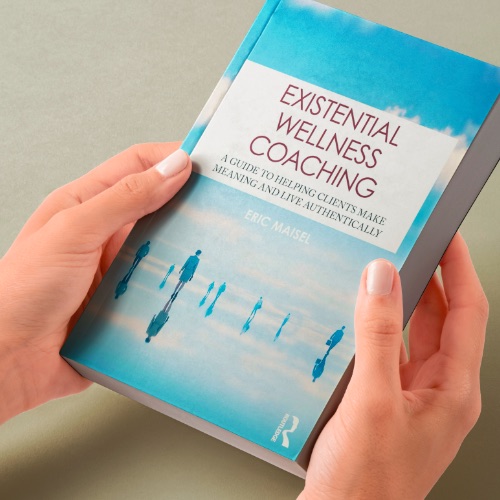
My newest books reflect the questions that have increasingly occupied me: How do we make meaning in a world where meaning is not given to us? How do we live when inherited identities, roles, and life scripts no longer hold? How might we understand emotional well-being without reducing human difficulty to symptoms and diagnoses? And what kind of helping relationship do people need in order to meet the actual challenges of being human?
The below four books approach those questions from different directions. Taken together, they represent the newest expression of ideas I’ve been developing over a lifetime of writing, teaching, coaching, and thinking about creativity, meaning, emotional distress, and the human experience.
The Reenchantment of Meaning
Reenchantment House
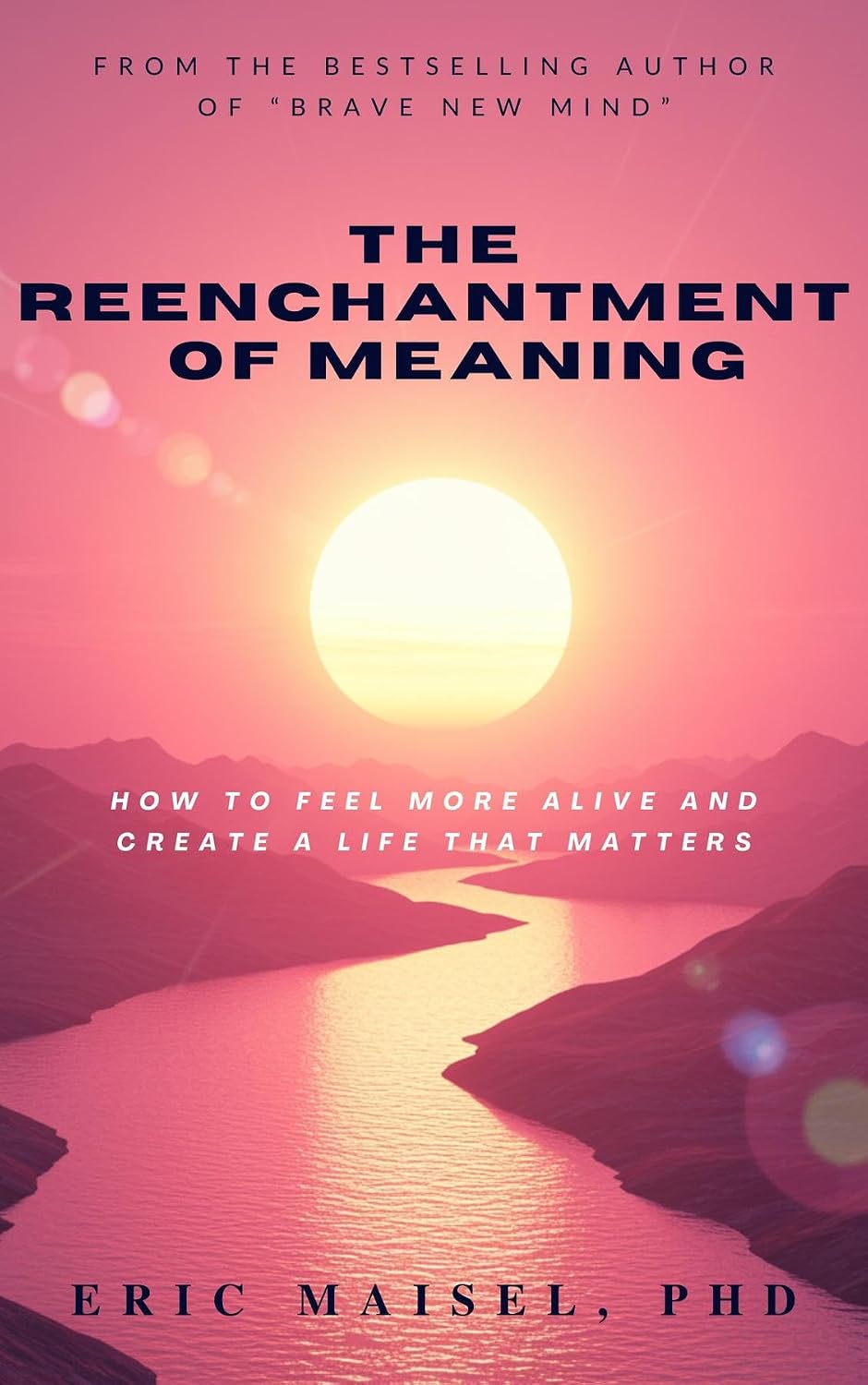
What if meaning isn’t something we find, possess, or permanently secure? What if it is something we experience—a feeling that can disappear and return, and that we can learn to invite?
The Reenchantment of Meaning offers a new way of thinking about one of life’s oldest questions. Rather than searching for the meaning of life or assuming that each of us must discover a single grand purpose, I propose that we become active makers of meaning.
The book explores 60 pathways to meaning—among them creativity, love, service, beauty, courage, rebellion, nature, friendship, curiosity, advocacy, accomplishment, solitude, play, and everyday comforts. Different pathways matter at different times, and part of living wisely is learning which pathways are available to us now.
This is a book about recovering agency in the face of meaninglessness. We may not be able to guarantee ourselves a meaningful life, but we can become much more skillful at inviting the experience of meaning—and at reenchanting a life that has begun to feel empty, flat, or directionless.
Existential Nomads
Reenchantment House
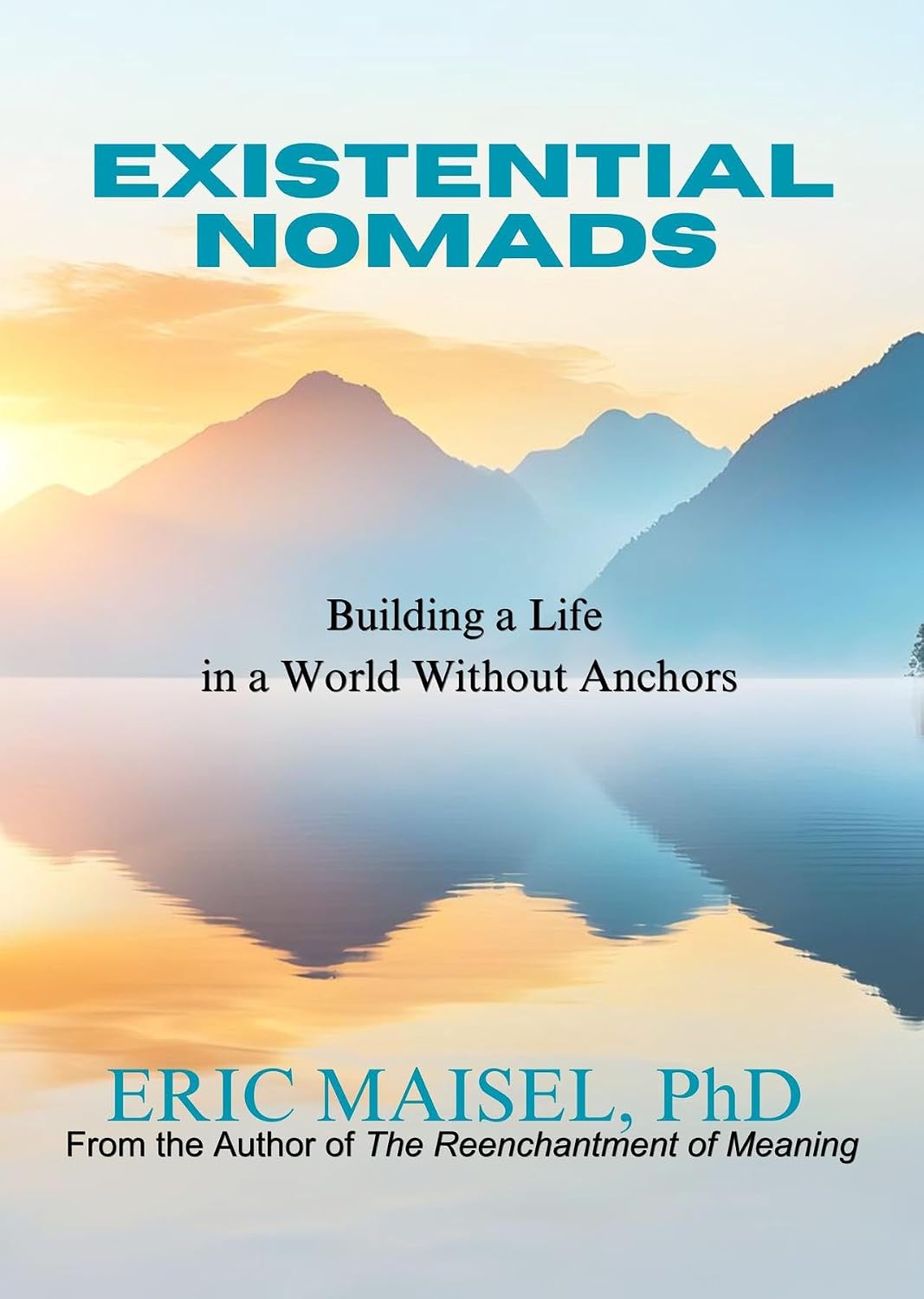
More and more people are discovering that the old maps for living no longer work.
Careers change or disappear. Relationships end. Communities fragment. Religious and cultural certainties lose their authority. Retirement alters identities built over decades. Success fails to deliver the promised sense of arrival. We may wake up one morning and discover that the person we thought we were, the life we thought we were living, or the future we expected to inhabit no longer quite exists.
I call people living in this condition existential nomads.
Existential Nomads gives language to an increasingly common human experience: the experience of having to invent and reinvent ourselves in a world of weakened roles, shifting identities, multiple possibilities, and disappearing certainties.
Existential nomadism can be frightening. But it can also be liberating. Once we understand that identity is not fixed and that meaning must repeatedly be made, we can stop waiting for life to tell us who we are. We can begin deciding—again and again—who we want to be, what matters to us, and how we intend to live.
Existential Wellness Coaching
Routledge
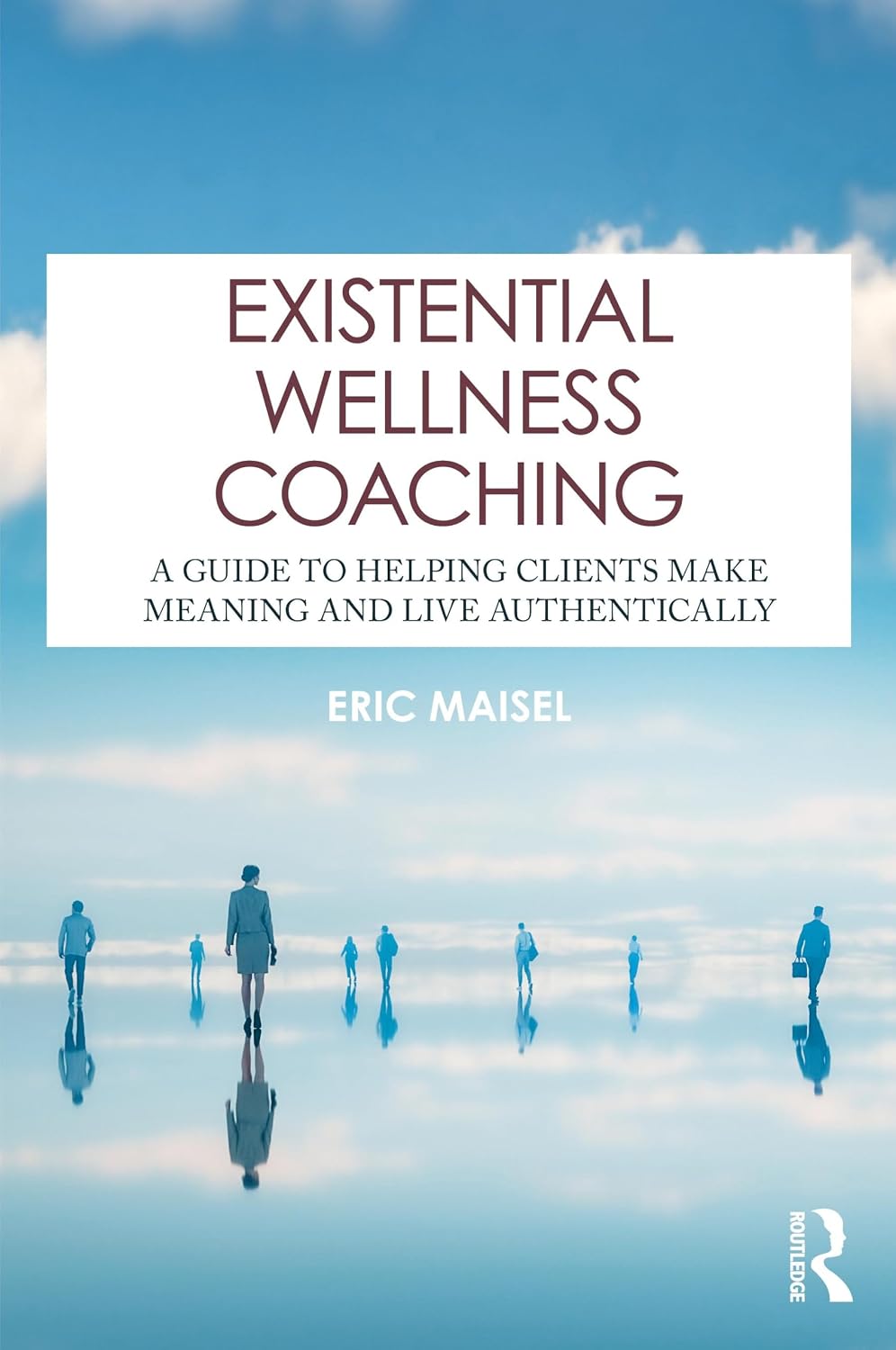
What does it mean to be well—not merely psychologically well or physically well, but existentially well?
Existential Wellness Coaching presents an approach to helping people grapple with the fundamental challenges of being alive: meaning, purpose, identity, freedom, responsibility, choice, mortality, relationships, and the question of how to live.
The existential wellness perspective begins with the understanding that many of our most difficult experiences are not illnesses or disorders. They are consequences of being human. We struggle because choices matter, relationships matter, losses matter, our identities matter, and the uses to which we put our lives matter.
Written for coaches, therapists, counselors, helping professionals, and thoughtful individuals, the book offers a practical framework for working with these realities. It asks us to move beyond narrow notions of wellness and toward a richer question: What would it mean to live well given the actual circumstances and challenges of human existence?
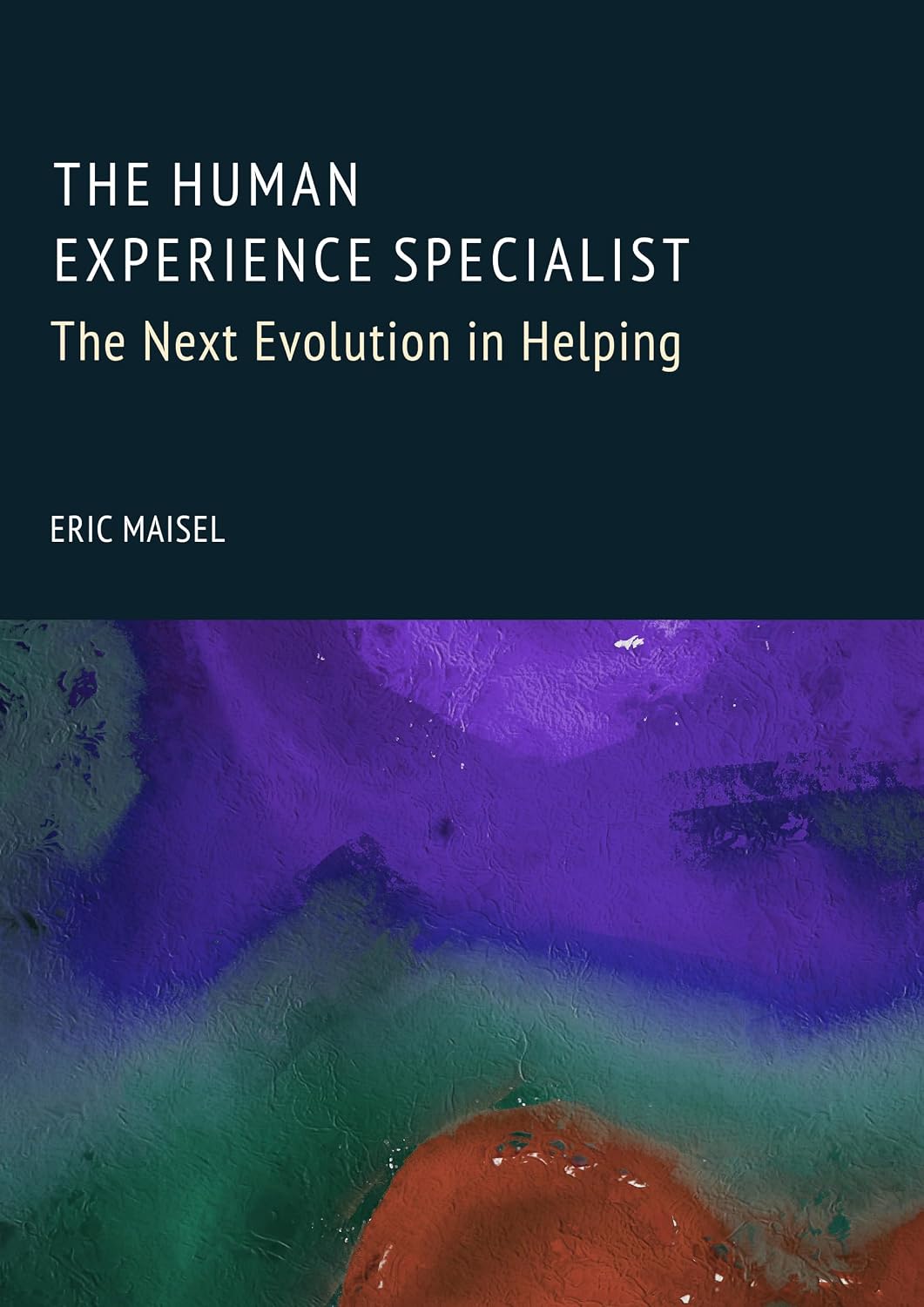
The Human Experience Specialist
Ethics International Press
For decades, I’ve been concerned with the limitations of the mental health paradigm and with a deceptively simple question: What kind of help do human beings actually need?
The Human Experience Specialist proposes a new answer.
A Human Experience Specialist, or HES, is a helper whose starting point is not diagnosis but human experience. An HES helps people think through difficulties involving meaning, identity, relationships, creativity, work, personality, aging, disappointment, uncertainty, life transitions, and the many other challenges that arise simply because being human is difficult.
The HES does not need to pretend that every difficulty is a disorder. Nor does the HES need to pretend to possess all the answers. Instead, the work calls for wisdom, psychological acuity, practical helping skills, a broad understanding of human nature, and the ability to accompany another person through complexity.
The book describes both the philosophy and the practice of this new helping role and makes the case for widening our conception of what helping can be.
For me, the Human Experience Specialist represents a natural culmination of decades spent thinking about creativity, meaning, critical psychology, coaching, and emotional distress. It asks us to replace the question “What is wrong with this person?” with a more humane and potentially more useful one:
“What is this person experiencing, and what kind of help might actually help?”
Four Books, One Continuing Inquiry
These books are different, but they belong to the same conversation.
The Reenchantment of Meaning asks how we can create and recover meaning. Existential Nomads asks how we can live when identity and certainty become fluid. Existential Wellness Coaching asks what it means to help people live well amid the realities of existence. The Human Experience Specialist asks whether we need a new kind of helper equal to the complexity of those realities.
Together, they reflect the central concern that has animated much of my life’s work: how we might meet the difficult art of being human with greater wisdom, freedom, creativity, and humanity.